If you've noticed an error on the site, the information is inaccurate, or something is missing — let us know! Or maybe you'd like to suggest an idea — we'd love to hear it.

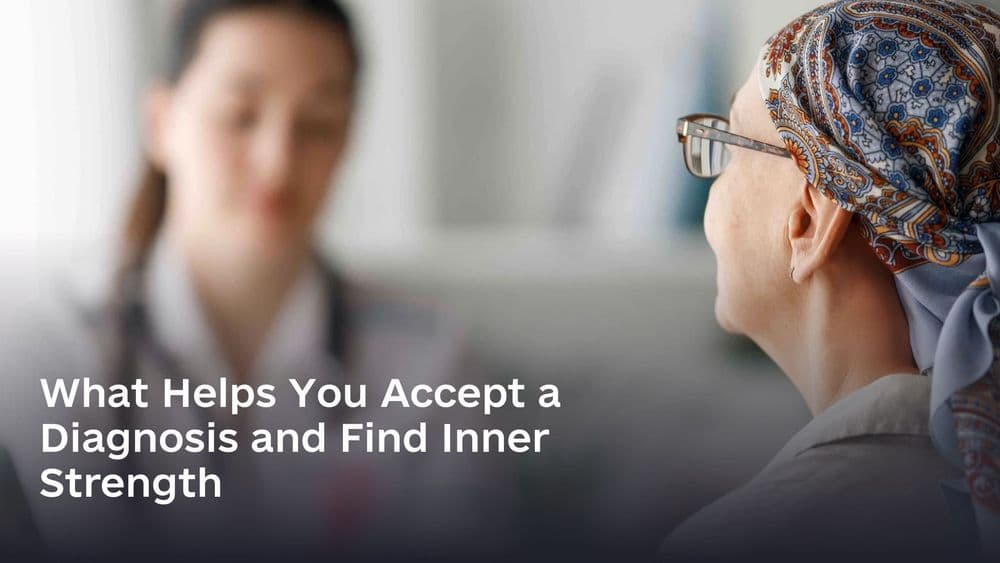
A cancer diagnosis changes the normal rhythm of life and is almost always accompanied by anxiety, confusion, and a search for causes. These tips will help you draw on your own inner resources in the first weeks after diagnosis and throughout treatment.
Important. Stress, resentment, negative thoughts, and conflicts are not direct causes of cancer. Don't blame yourself: illness can affect anyone, at any time, at any age.
It's natural for negative thoughts and emotions to arise after a cancer diagnosis. Periods of emotional well-being may alternate with difficult ones, and that's normal.
Seek help if:
A psychologist can help you learn to cope with stressful situations, believe in your own strength, and find your own inner resources.
Psychological support for patients and their families is available at the National Cancer Institute. Conversations with a psychologist are confidential.
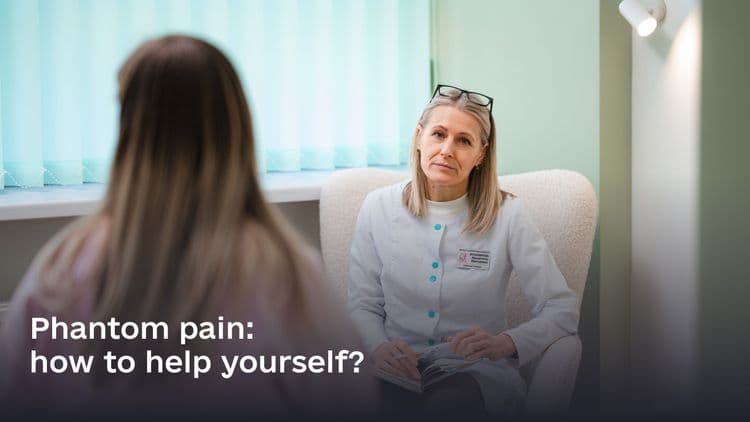
Why does a limb that's no longer there hurt, and what helps: breathing techniques, rhythmic movements, and tapping for daily self-soothing.
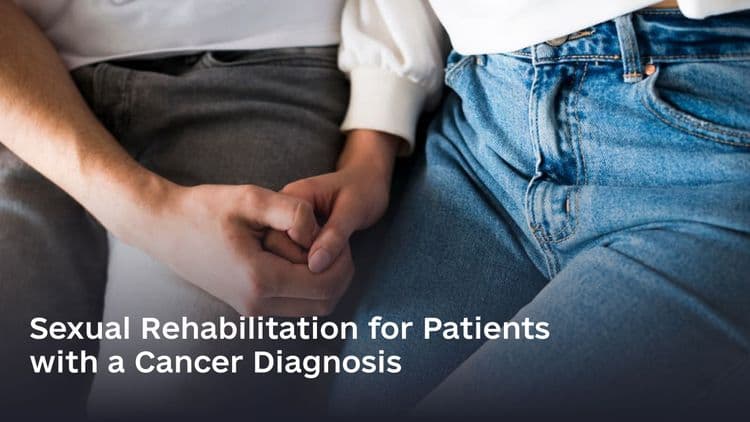
How treatment affects intimate life and what helps preserve it: advice on communicating with a partner, comfort, and self-care.
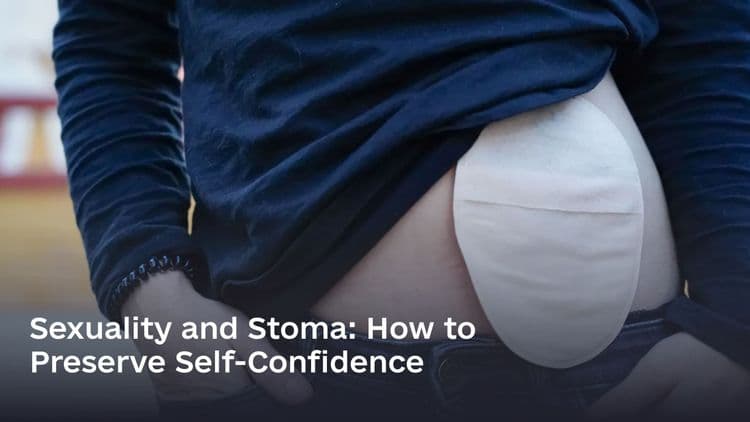
Living with a stoma doesn't rule out intimacy: how to accept bodily changes, overcome fear of injury, and regain confidence in relationships.