If you've noticed an error on the site, the information is inaccurate, or something is missing — let us know! Or maybe you'd like to suggest an idea — we'd love to hear it.
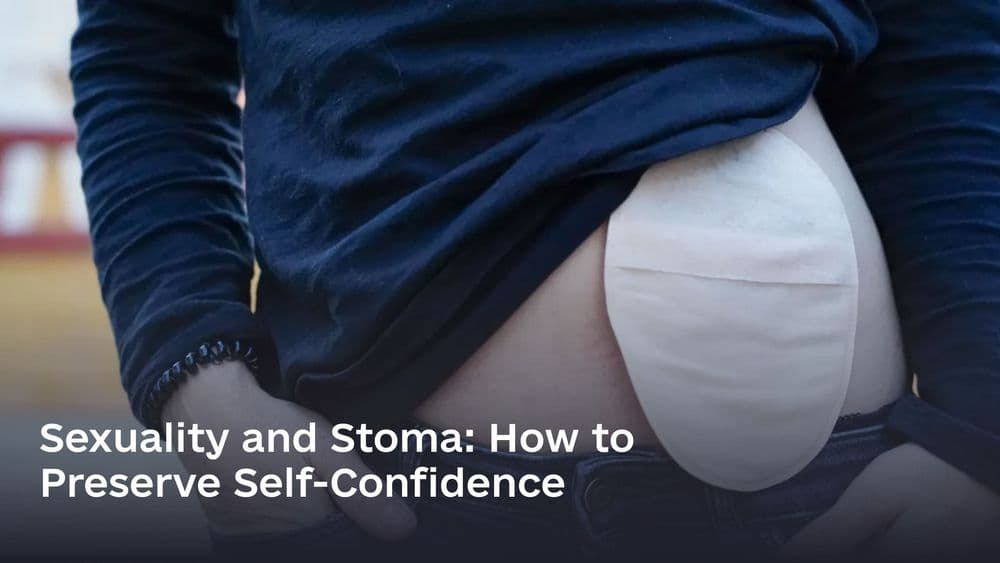
Sexuality and Stoma: How to Preserve Self-Confidence
Share this article
Sexual health is an important part of a person's full life. So it is entirely natural to feel concerned about possible changes to your sex life after stoma surgery.
At the same time, it's worth remembering: intimate relationships remain possible, and open communication with your partner and self-care help restore confidence and emotional closeness.
Difficulties Patients Face
Physical Changes in the Body
Patients most often struggle with accepting their new body. Changes in appearance can cause confusion and insecurity. This is natural: adaptation takes time, inner work, and a partner's support.
It's important to talk openly about your feelings, fears, and needs. Try looking at the stoma together with your partner for the first time, gradually returning to familiar expressions of closeness — sleeping together, touch, kisses. This will help restore trust in your own body.
Remember: even after these changes, your body remains attractive and sexual.
Fear of Injuring the Stoma During Sex
Some people worry that the pouch will come loose or get in the way during intimacy. In reality, a properly attached pouch stays securely in place.
Try positions that reduce strain and discomfort, such as side-by-side.
Discuss your feelings with your partner. If they are overly cautious, explain that you'll let them know if something feels uncomfortable. This will relieve unnecessary tension.
Feelings of Loneliness and Fear of Rejection
Sometimes relationships end after surgery. This isn't always related solely to the stoma — often such changes simply bring existing problems to a head. If a person rejects you specifically because of your stoma, it may be better to recognize that they aren't ready to be with you through difficult moments.
If you're single and starting a new relationship, it's entirely natural to hesitate about when and how to talk about your stoma. There's no universal rule — every situation is unique. You don't have to do it right away: it's better to wait until trust and a sense of safety develop between you. At the same time, don't leave this conversation until the last moment before intimacy, to avoid stress for both of you.
Talking about the stoma will help you quickly understand whether the other person is ready to accept your situation. It's important to speak honestly and without self-judgment.
Changes in Sexual Desire and Sensation
Cancer, treatment, and surgery can affect libido. This is completely normal. Many people regain their sex drive over time.
Take your time: the return to sexual relations can be gradual — from kisses and hugs to more intimate activities.
Women may experience dryness or discomfort — lubricants, comfortable positions, and an attentive partner can help.
Men sometimes experience temporary erectile difficulties. If the nerve endings are not damaged, function usually returns. If difficulties persist, it's worth consulting a doctor.
How to Feel More Confident During Intimacy
Wear what makes you feel attractive.
Use special stoma belts or underwear — they help secure the pouch and make it less noticeable.
Before intimacy, choose a small, low-profile pouch or a special cover.
Take care of hygiene: empty the pouch and check that it's securely attached.
For a colostomy, a stoma cap can sometimes be used — this makes intimacy more comfortable, including during oral sex.
Set the mood: soft music, pleasant lighting, and scented candles can help you get in the mood for intimacy.
Allow yourself to experiment — erotic games, new lingerie, or romantic rituals add variety.
Humor in unexpected situations helps relieve tension and maintain connection.
Important. Intimacy after surgery is possible, and sexuality does not disappear along with the stoma. It simply requires a new approach, self-care, and trust in your relationship.
Where to Get Support
At the Department of Physical and Rehabilitation Medicine of the National Cancer Institute, you can receive a free consultation with a clinical psychologist-sexologist — individually or together with your partner.