If you've noticed an error on the site, the information is inaccurate, or something is missing — let us know! Or maybe you'd like to suggest an idea — we'd love to hear it.

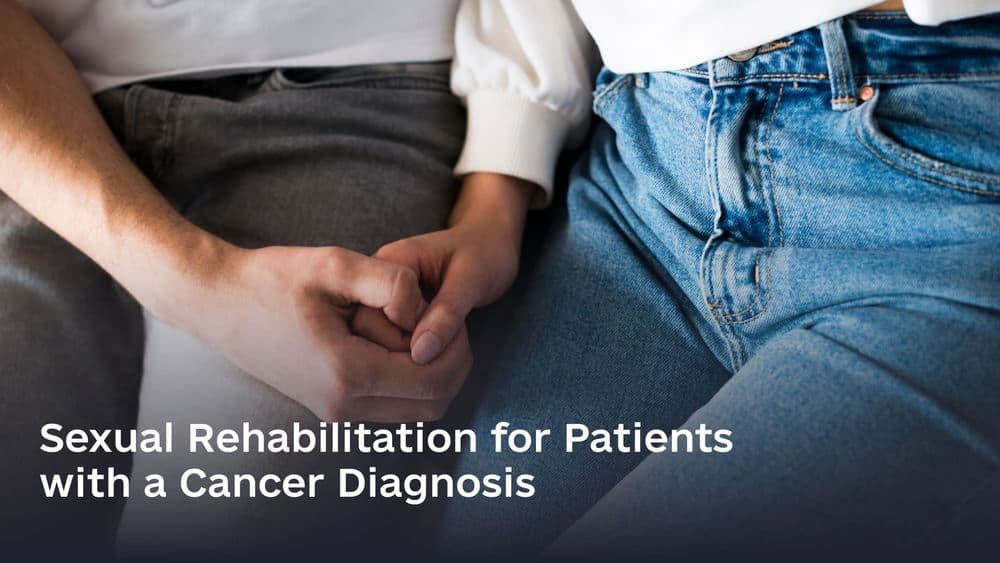
Sexual Rehabilitation for Patients with a Cancer Diagnosis
Share this article
Cancer and its treatment can affect intimate life. These changes are mostly temporary, and it is important to remember: intimate life can remain fulfilling, although new approaches are sometimes needed.
The Most Common Changes
physical discomfort or limitations during sex;
changes in body image;
reduced sexual desire or arousal;
anxiety, sadness, shame, or fear;
changes in roles and dynamics within a couple.
What Can Help
Be open with your partner. Talk about your feelings, physical changes, desires, fears, and concerns. Honest communication helps preserve both emotional and physical closeness.
Create a comfortable setting. Soft lighting, comfortable positions, or clothing that makes you feel confident can make intimacy more comfortable.
Remember that attractiveness is more than appearance. Trust, care, and emotional connection are just as important.
Take your time. If you don't feel a desire for sexual intimacy during or after treatment, that's normal. Start with hugs, touch, and kisses, gradually returning to what brings pleasure.
Take care of yourself. Even without a partner, your sexuality remains an important part of life. Explore your own body and allow yourself tenderness and pleasure. Masturbation is a natural, safe way to get to know your body. Sex toys can be used if desired.
Build new relationships on trust. When and how to share information about your illness is a personal decision. It's important to choose a moment when mutual trust has already been established, but not to postpone this conversation for too long.
Don't tolerate pain. If you experience pain, dryness, or reduced sensitivity, try using lubricants, changing positions, or discussing the issue with your doctor.
Important. Don't tolerate discomfort for your partner's sake. Intimacy should bring pleasure and comfort to both partners.
Where to Get Support
At the Department of Physical and Rehabilitation Medicine of the National Cancer Institute, you can receive a free consultation with a clinical psychologist-sexologist — individually or together with your partner.