If you've noticed an error on the site, the information is inaccurate, or something is missing — let us know! Or maybe you'd like to suggest an idea — we'd love to hear it.

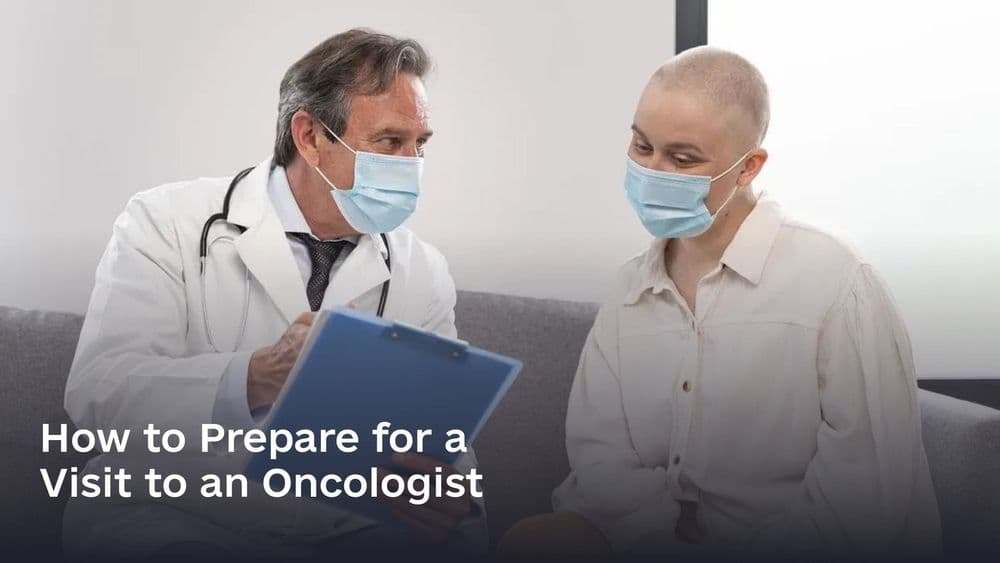
A visit to the oncologist is almost always accompanied by intense emotions: anxiety, tension, sleeplessness, and constantly running through possible scenarios in your head. At the same time, hope remains — for an effective treatment plan, support, and positive progress.
Psychologists call this state "waiting for the unknown." Uncertainty is often more exhausting than the information itself, because the brain craves certainty and tries to prepare for every possible outcome. Anxiety here is a natural response to the unknown, and preparing for your visit helps ease the tension.
Ideally 1–2 days before your visit.
Write down your main complaints from the recent period:
The more specifically you describe your symptoms, the more accurately your doctor can assess your condition.
Prepare 3–5 key questions. In a stressful situation, it helps to have them written down so you don't forget to ask what matters most.
Make a complete list: drug names, dosages, and frequency of use. Don't forget herbal remedies, vitamins, and supplements.
Make sure all your documents are arranged in chronological order:
This will help your doctor quickly get an overview of your treatment history.
On the day of your visit.
If possible, ask someone to come with you. Having a person by your side can help you remember important information and provide emotional support.
If you feel anxious:
Repeat 3–4 cycles.
Plan something pleasant — meeting a friend, watching a movie, or simply going for a walk. This helps lower tension and shift your focus.
Be open, and don't hold back symptoms, doubts, or fears — complete information matters for making the right decision. If a term or recommendation is unclear, ask about it: you have the right to fully understand your treatment plan.
After the conversation, you should clearly know:
Important. Taking care of your emotional state is an important part of maintaining your mental health.
Psychological support for patients and their families is available at the National Cancer Institute. Conversations with a psychologist are confidential.
Why does a limb that's no longer there hurt, and what helps: breathing techniques, rhythmic movements, and tapping for daily self-soothing.

How treatment affects intimate life and what helps preserve it: advice on communicating with a partner, comfort, and self-care.
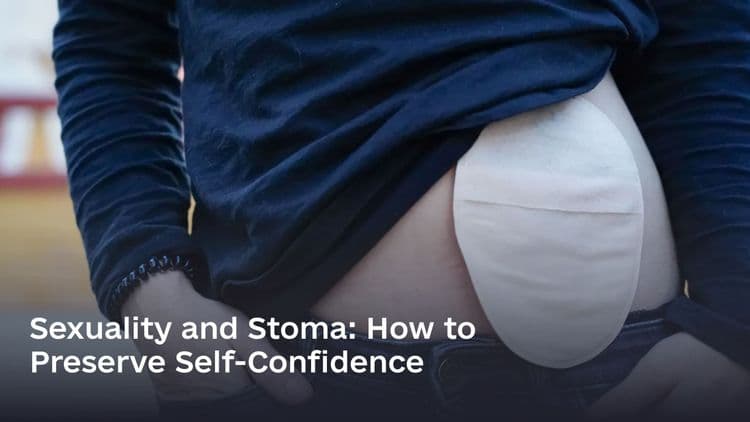
Living with a stoma doesn't rule out intimacy: how to accept bodily changes, overcome fear of injury, and regain confidence in relationships.