If you've noticed an error on the site, the information is inaccurate, or something is missing — let us know! Or maybe you'd like to suggest an idea — we'd love to hear it.

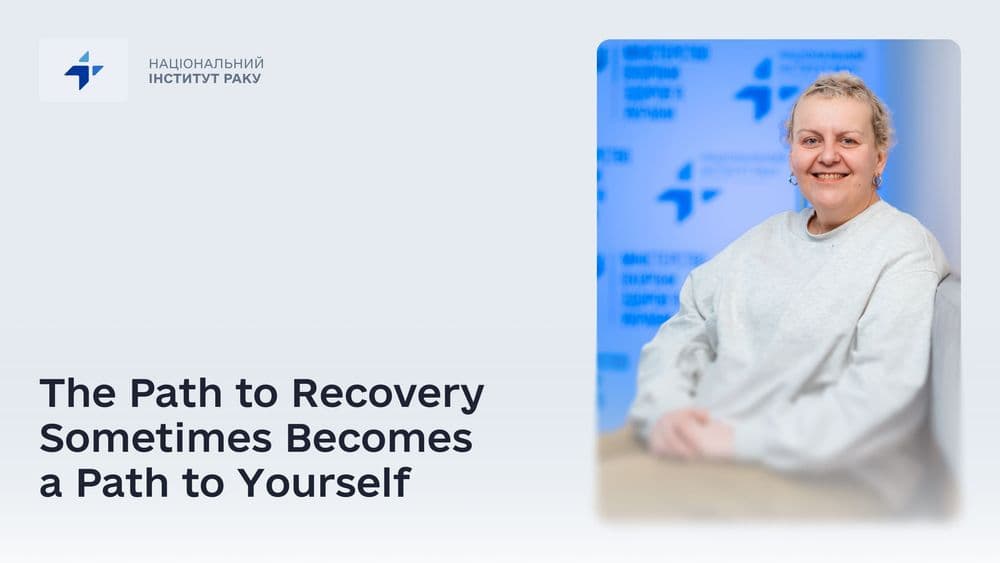
Oksana is 52 years old. She works at the National Cancer Institute and knows well how important timely screenings are. Yet even for her, the result of a routine mammogram came as a surprise and changed her life.
"I used to think that cancer always meant pain. But I felt almost no pain — I just decided to get checked and have a mammogram. The examination was quick and easy, but its result turned my life upside down."
After her diagnosis, Oksana began treatment, which included:
"Now I have a new perspective on everything I have. Throughout my treatment, I've been supported by my daughter, friends, colleagues — and sometimes even people I never expected it from.
This support is incredibly important. When I was just starting out on this path, I couldn't have imagined how much warmth and care I would receive from the people around me."
Today Oksana feels significantly better and is gradually returning to her usual pace of life.
As an employee of the National Cancer Institute, she knows well how important it is to carefully follow the recommendations of the call center and medical staff before undergoing examinations. The quality of diagnosis and the accuracy of results depend on proper preparation. This is especially true for computed tomography: following all the recommendations directly affects the quality of the images obtained and the subsequent treatment approach.
"I want to say to everyone who is just starting treatment: don't worry. You are surrounded by professionals who know what they're doing. Your hair will grow back, your strength will return. What matters most is inner calm and trust."
Cancer doesn't always come with pain. That's why regular preventive screenings — mammography, ultrasound, and check-ups with a doctor — remain the only reliable way to detect the disease at an early stage, when treatment is most effective.
Thank you, Oksana, for your openness and your willingness to share your experience. We wish you good health and a swift recovery.

After a mastectomy and two years with a prosthesis, National Cancer Institute surgeons performed DIEP reconstruction and simultaneously transplanted a lymph node to treat arm swelling.
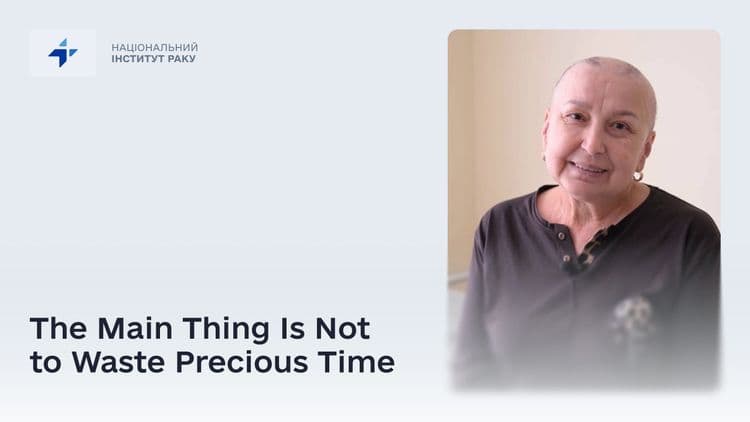
Back pain turned out to be multiple myeloma. How a railway station chief underwent a bone marrow transplant and returned to work.
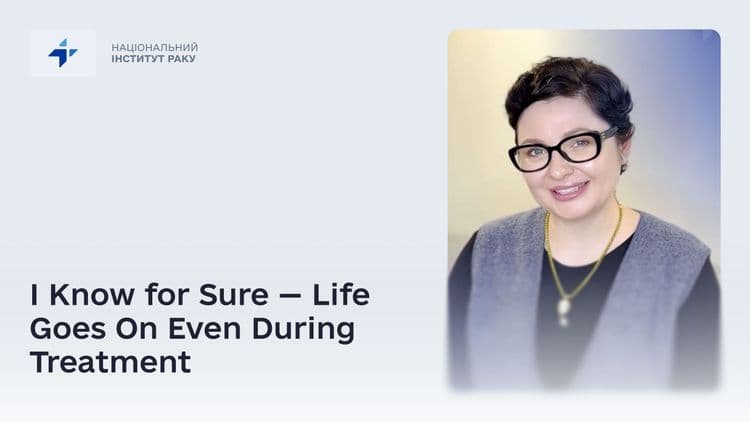
The founder of a headscarf brand approached her breast cancer treatment like a business project — with preparation, travel, and no pause in life.