If you've noticed an error on the site, the information is inaccurate, or something is missing — let us know! Or maybe you'd like to suggest an idea — we'd love to hear it.

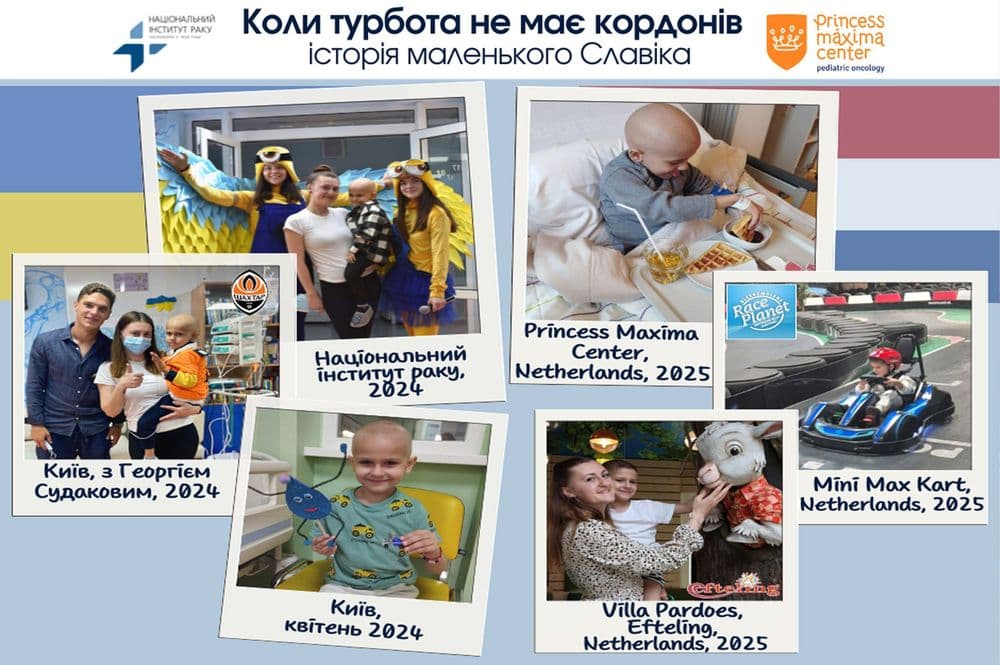
The Pediatric Oncology Department of the National Cancer Institute ("the Institute") was visited by Kateryna — the mother of five-year-old Slavik, who successfully completed a difficult stage of neuroblastoma treatment last year. The boy underwent high-dose chemotherapy with autologous stem cell transplantation.
Autologous stem cell transplantation is a complex and resource-intensive procedure that requires not only modern equipment and strict adherence to treatment protocols, but also the coordinated teamwork of the entire medical staff: physicians, nurses, laboratory diagnostics specialists, and other allied professionals.
In 2024, the Institute's pediatric department performed 8 autologous stem cell transplants. And in just the first half of 2025 alone, 10 young patients successfully completed this important stage of treatment.
Importantly, all transplants, like the main course of treatment, are provided to the Institute's patients free of charge, in accordance with the state guarantees of medical care.
However, the next stage — costly immunotherapy, which is important for reducing the risk of relapse — is not currently funded by the state. That is why we offer parents the opportunity to receive it free of charge at medical centers abroad, providing organizational support along the way.
"The center pleasantly surprised us from the very first days. At every stage we were supported, and our comfort was taken care of. We were surrounded by care and attention," says Kateryna.
The staff are extraordinarily kind to every child. They immediately learn about each child's preferences — favorite games, characters, music, cartoons — and use this to reduce stress during procedures. Young patients are rewarded for their patience with stickers or other small treats. After each sedation, children are treated to ice cream and frozen juice.
The center regularly holds fun entertainment events: children are visited by performers, musicians, and caricature artists. There's a LEGO room, interactive play areas, and organized excursions.
Children who don't speak English or Dutch are also always included in activities in a form that's comfortable and understandable for them. By the way, we were housed next to other Ukrainian families, to keep us in a familiar language environment.
Social workers and psychologists play an important role at the center — they help children adapt to their new surroundings, support parents, and make children's dreams come true. It was they who arranged our trip to the best go-kart track in the Netherlands, where Slavik rode a go-kart for the first time — it gave us both a flood of positive emotions."
Slavik received the first block of immunotherapy (10 days) in a day hospital. Further treatment continued on an outpatient basis — at his temporary place of residence near the clinic. It was also free of charge, as were all the medications and consumables they were provided. Free transfer to and from the hospital was arranged whenever needed.
Slavik was also given a special backpack with a compact, lightweight infusion pump, which allowed him to receive therapy without having to stay in the ward the whole time. A nurse visited him to carry out the necessary procedures.
After finishing treatment, Kateryna and Slavik were offered a week's rest at a unique place — Villa Pardoes, located next to the Efteling amusement park. The villa welcomes children with serious diagnoses, giving them and their families a carefree stay filled with positive emotions and free access to the amusement park. It was a time when they could recover emotionally and simply have fun.
"I recommend that all parents whose children are indicated for immunotherapy take advantage of this opportunity. It's completely achievable, it's not complicated, and you definitely won't be left on your own — even if you don't speak the language or have never been abroad," — says Kateryna.
We are sincerely grateful to Kateryna for her openness, trust, and willingness to share her experience. We wish Slavik strong health, and his family strength and peace of mind. Special thanks go to the team at Princess Máxima Center — for their professionalism, humanity, support, and for the lives saved and dreams fulfilled for young patients!
A pilot project covering 10 implantations for women combat veterans — after a combat injury or breast cancer. Eligibility and how to apply.
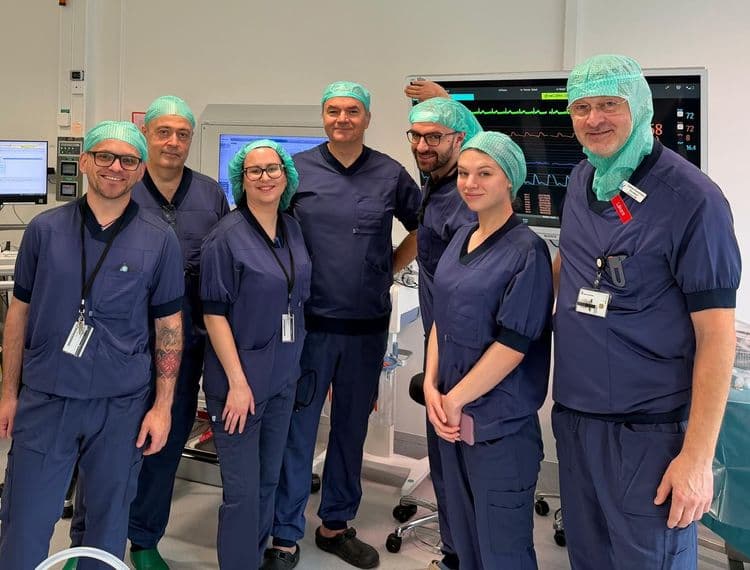
Five specialists saw the transplant system at Karolinska University Hospital from the inside, from donor coordination to the operating room.
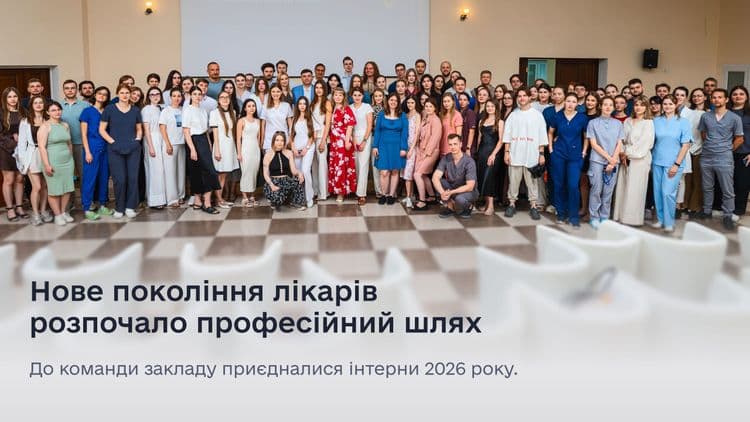
The 2026 class of interns has joined the Institute's team. Ahead of them lie clinical practice, mentorship from experienced specialists, and their first independent decisions.