If you've noticed an error on the site, the information is inaccurate, or something is missing — let us know! Or maybe you'd like to suggest an idea — we'd love to hear it.

Our Institute is involved in the EUCanScreen project, where one of the key areas of focus is building synergies — that is, close collaboration with other EU-funded projects to strengthen the effectiveness of cancer screening campaigns and the development of the healthcare system in Europe.
Why does this matter?
Specific areas of EUCanScreen collaboration (WP10 and WP11):
Why is this important?
As EUCanScreen partners, we:
This is also a wonderful opportunity to demonstrate that Ukraine is not merely a recipient, but an active participant in European progress in cancer screening.
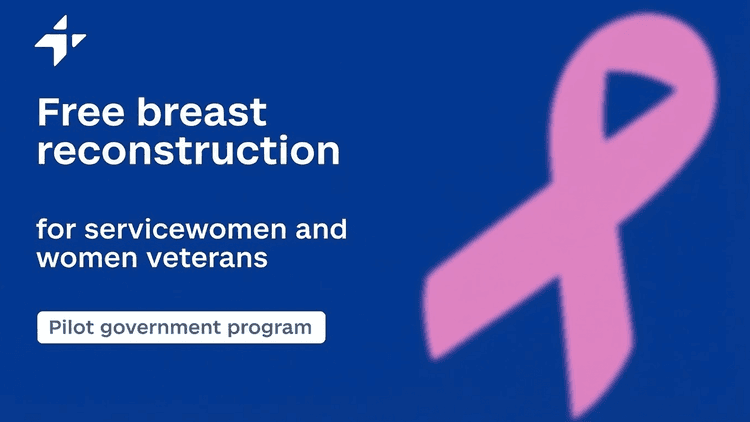
A pilot project covering 10 implantations for women combat veterans — after a combat injury or breast cancer. Eligibility and how to apply.
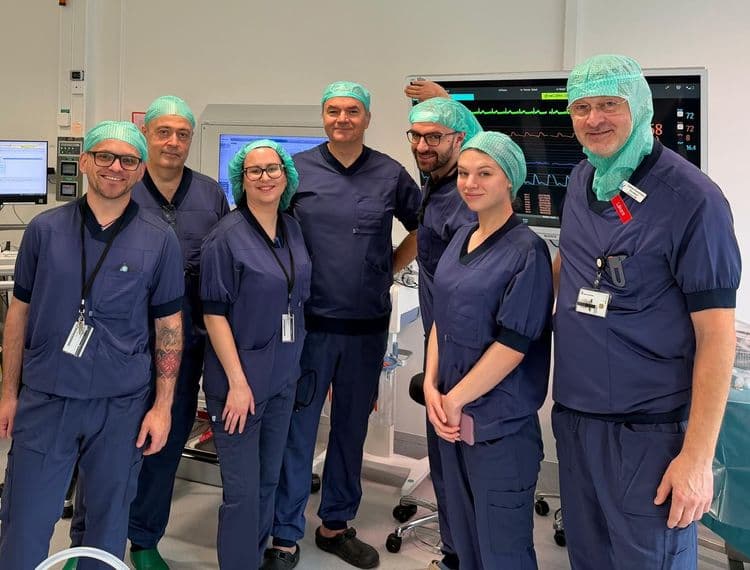
Five specialists saw the transplant system at Karolinska University Hospital from the inside, from donor coordination to the operating room.
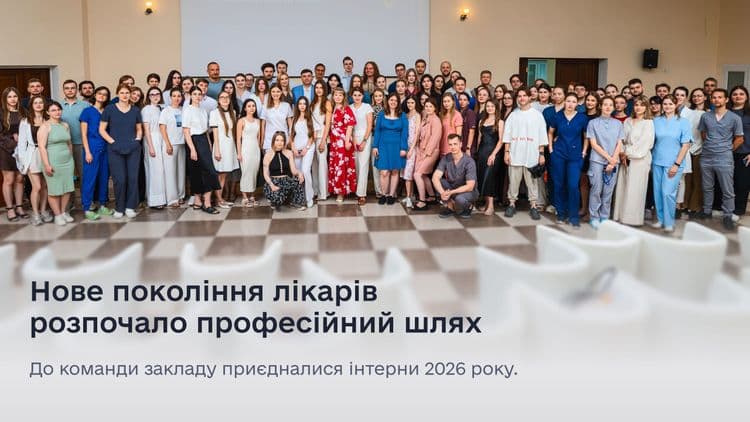
The 2026 class of interns has joined the Institute's team. Ahead of them lie clinical practice, mentorship from experienced specialists, and their first independent decisions.